
Slow Down to Go Further
The hikers who cover the most ground and finish the biggest trails aren’t the fastest ones. Here’s why hiking longer at a controlled pace beats going hard — every time.

The hikers who cover the most ground and finish the biggest trails aren’t the fastest ones. Here’s why hiking longer at a controlled pace beats going hard — every time.
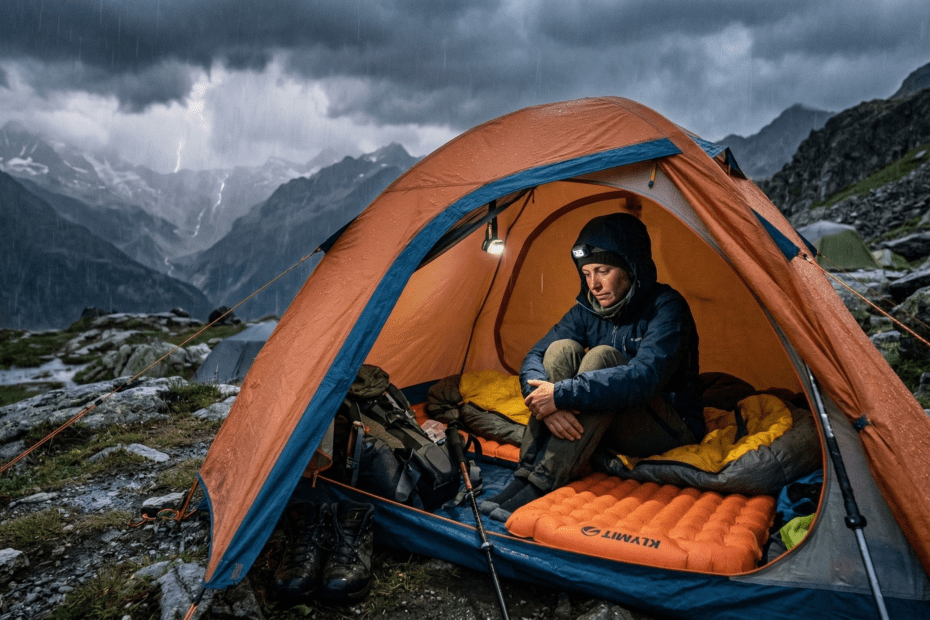
Storms in the mountains are rarely a single threat. Rain brings flash flooding. Wind turns branches into projectiles. Cold and wet conditions push even summer campers toward hypothermia. And threading through all of it — lightning, the most immediately lethal hazard you’ll face outdoors.
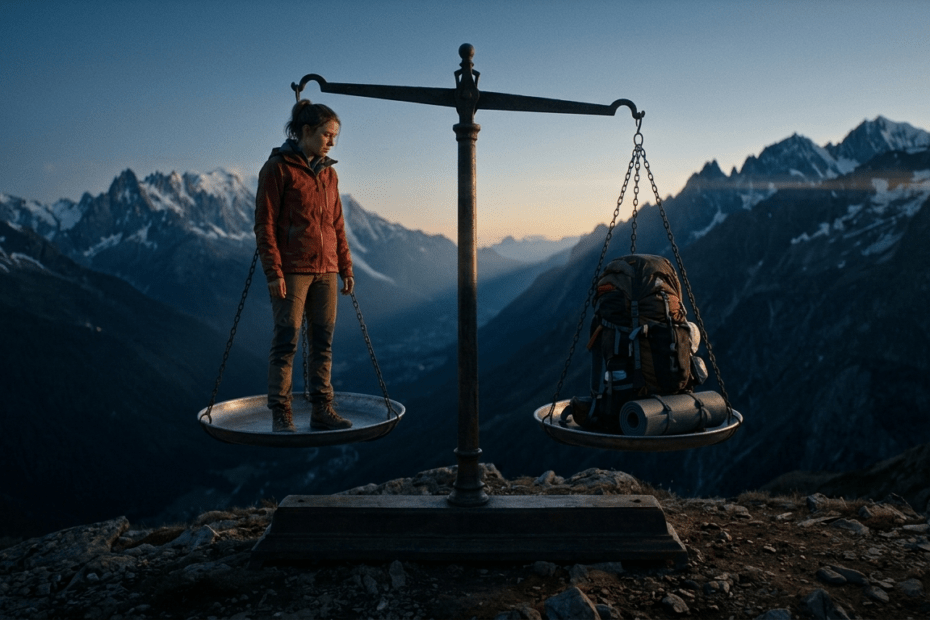
Most hikers think about pack weight as a number on a scale. The more useful way to think about it is as a percentage of your body weight — because that ratio is what actually determines how hard your body has to work, and what training you need before you get on trail.
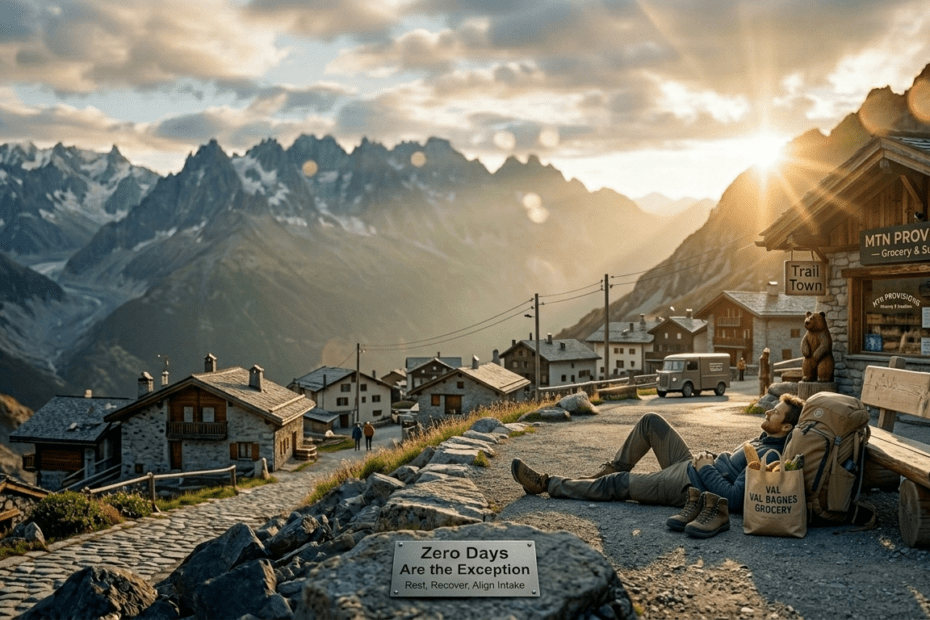
The appeal of intermittent fasting for backpackers is real — but so are the risks. Here’s what the science and trail experience say about skipping meals in the mountains.
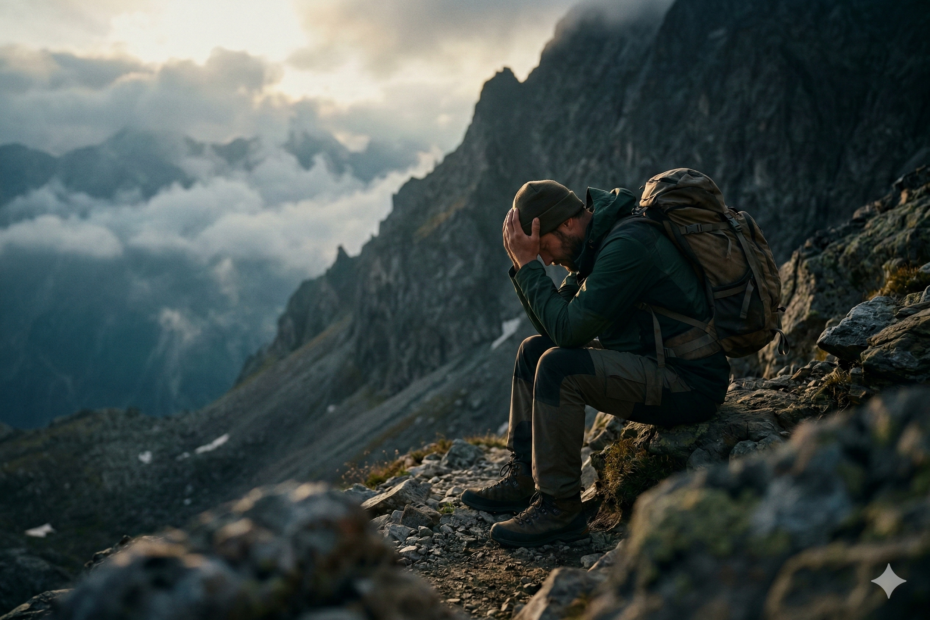
Only around 20% of hikers who start the Appalachian Trail reach the finish. The most common reason for quitting isn’t injury or gear failure — it’s the mental and emotional weight that builds quietly over weeks and months. This is the part of thru-hiking that guidebooks gloss over. It deserves its own conversation.
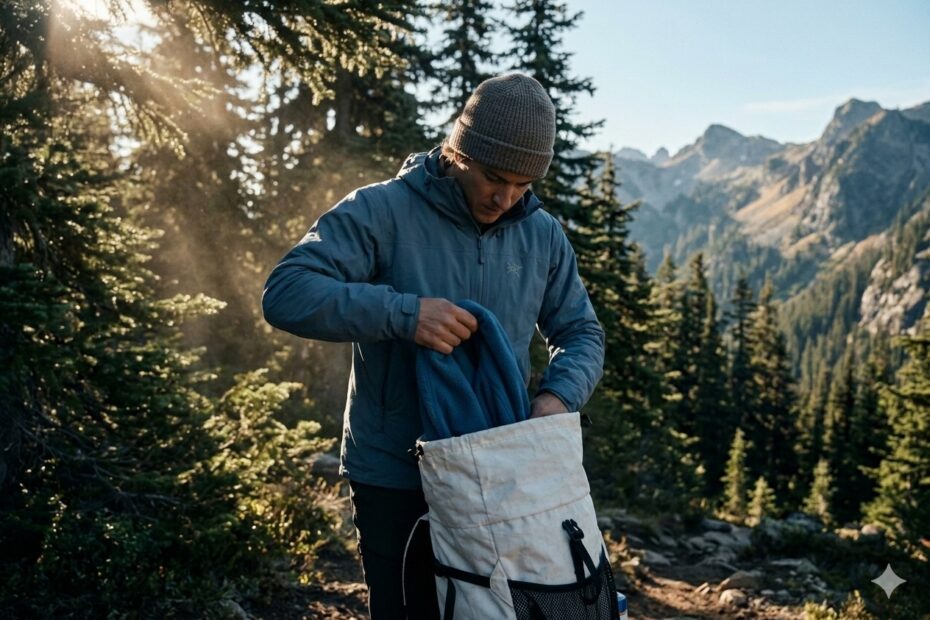
The goal is not to carry as little as possible. The goal is to carry exactly what you need — no more, no less. Pack smart, train hard, and go further than you thought possible.
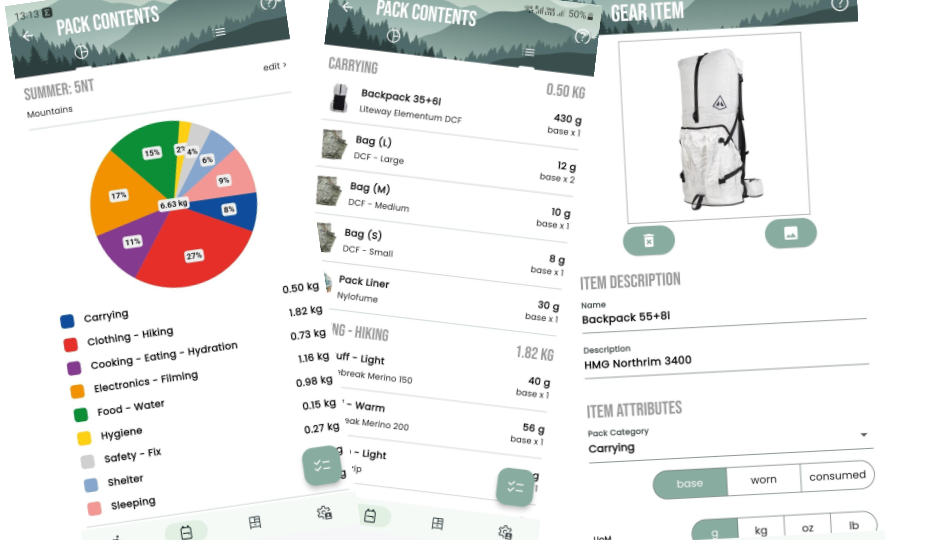
Do you spend time planning trips covering a variety of conditions and terrains. If so then you will want to tailor your pack contents to minimise risks, optimise your comfort and achieve your backpacking goals.